Knowledge Centre

What is aluminium?

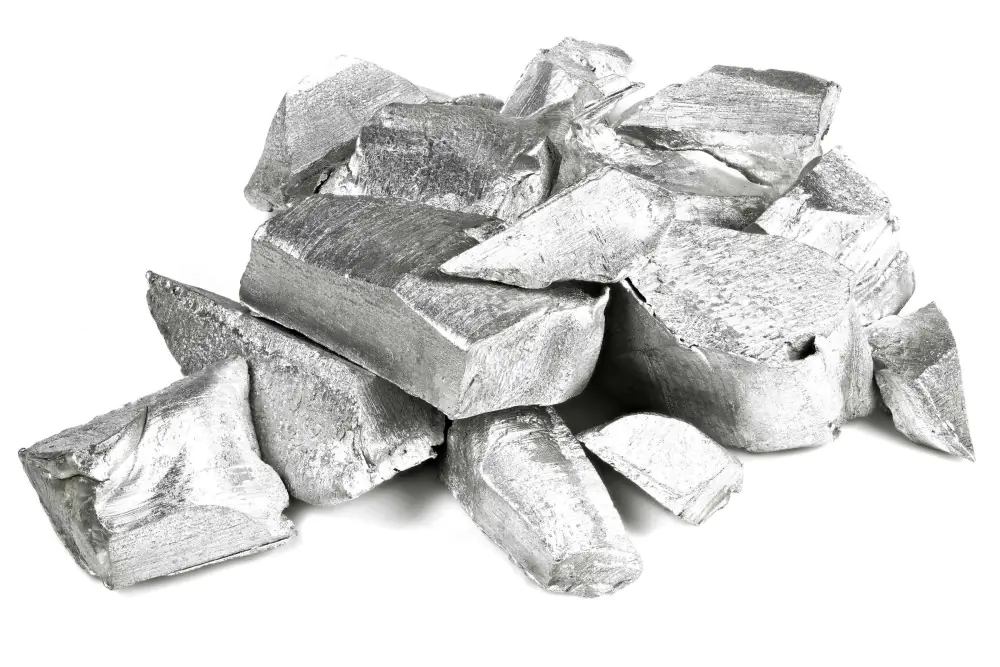
Aluminium is een zilverwit, lichtgewicht metaal met het chemisch symbool Al en atoomnummer 13.

Aluminium is a silvery-white, lightweight metal with the chemical symbol Al and atomic number 13. It is approximately three times lighter than steel, with a density of approximately 2.7 grams per cubic centimetre. Despite its light weight, aluminium has a surprisingly high strength, especially in alloy forms, making it a strong and durable material for many applications.

Aluminium is mainly extracted from the mineral bauxite, which consists largely of aluminium oxide. The production of aluminium from bauxite involves two main steps: first, alumina (aluminium oxide) is extracted from bauxite using the Bayer process. Then, in the Hall-Héroult process, this alumina is electrolytically reduced to pure aluminium. This process requires a lot of electrical energy. The resulting aluminium is pure but relatively soft, so it is often alloyed with other metals such as copper, magnesium or manganese to improve strength and other properties.

This metal is also highly workable, malleable and recyclable, making it versatile for use in sectors such as construction, transport, packaging and electronics. Thanks to its combination of lightness, strength, corrosion resistance and conductivity, aluminium is a popular material in, for example, aviation, car manufacturing, building materials, electrical wiring and even decorative applications. The oxide layer on the surface protects it from rust and can repair itself if damaged, making aluminium extra durable.
 

Properties of aluminium

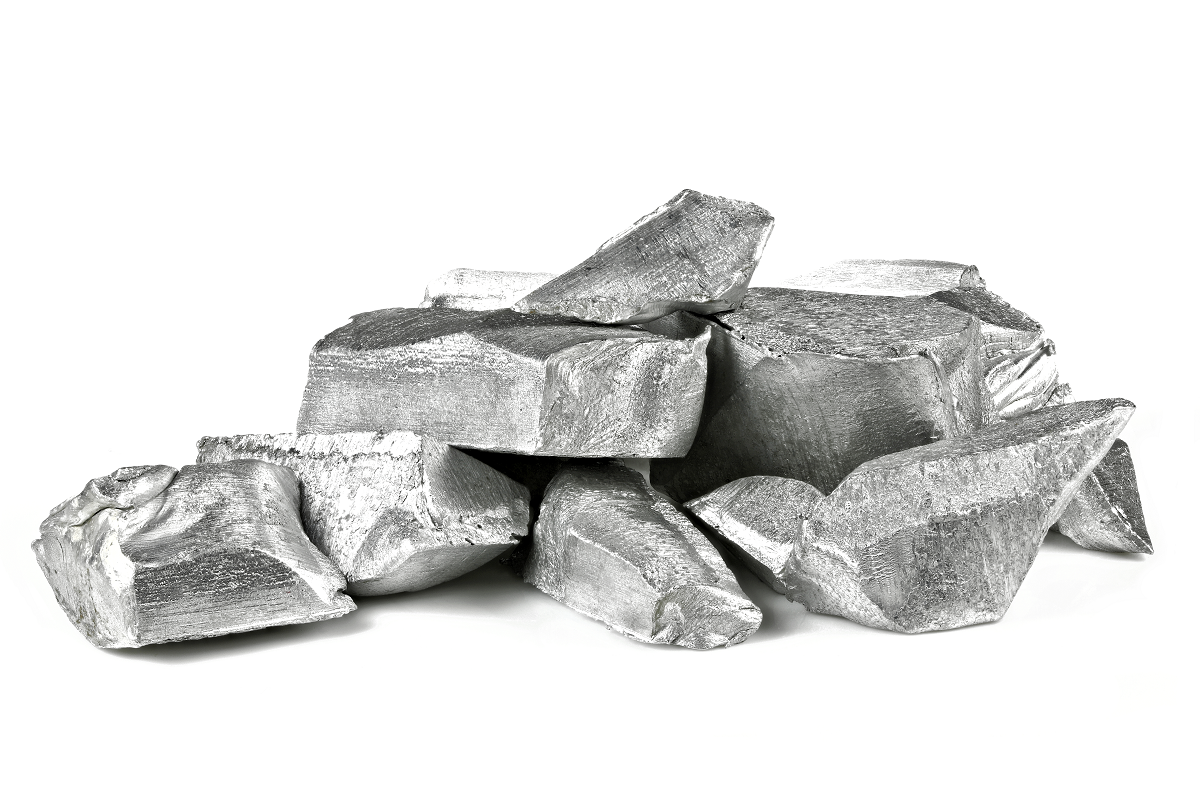
Aluminium is one of the most widely used metals in the world and is characterised by a number of favourable properties:

  • It is lightweight, yet strong. This helps to reduce CO₂ emissions in, for example, the transport sector.
  • It is highly malleable, offering unique design possibilities.
  • It is easy to make corrosion-resistant.
  • It is suitable for (highly) decorative applications.
  • It is easy to machine (cut, shape, join).
  • It conducts heat and electricity well.
  • It is 100% recyclable.
  • It is available in large quantities.
  • Approximately 8% of the earth’s crust contains aluminium.

Although aluminium is produced in a number of different product forms, such as cast products and rolled products, ALUDEX focuses almost entirely on extrusion products, or aluminium extrusion profiles.

Maintaining aluminium

To ensure that aluminium retains its unique properties and aesthetic appeal, regular maintenance is essential. Here are some useful tips for maintaining aluminium:

  • Cleaning: use a mild soap solution and a soft cloth or sponge to remove surface dirt and stains. Avoid aggressive cleaning agents that could damage the surface.
  • Protection: ensure that the aluminium is placed securely on a soft surface to prevent scratches and damage. Avoid any contact with sharp objects and hard surfaces to maintain the integrity of the material.
  • Polishing: if the aluminium has lost its shine or become discoloured, you can restore it by polishing. Use a soft cloth and aluminium polish. Apply the polish to the aluminium using circular movements and then buff it off with a clean, dry cloth.
  • Corrosion prevention: regularly apply a thin layer of car wax or specific aluminium wax to provide protection against corrosion. This also helps to maintain the shine.
  • Storage: for long-term storage of aluminium, it is essential to adequately protect the material from moisture and air. To prevent oxidation, wrap the aluminium in a soft cloth and store it in a dry, dark location.

By following these tips, you can ensure that your aluminium items remain attractive and last for a long time.

Further information

At ALUDEX, we strive not only to provide information, but also to be your partner in all your aluminium needs. Would you like to receive more detailed information on this subject? Please contact us.

Contact