All information about aluminium extrusion
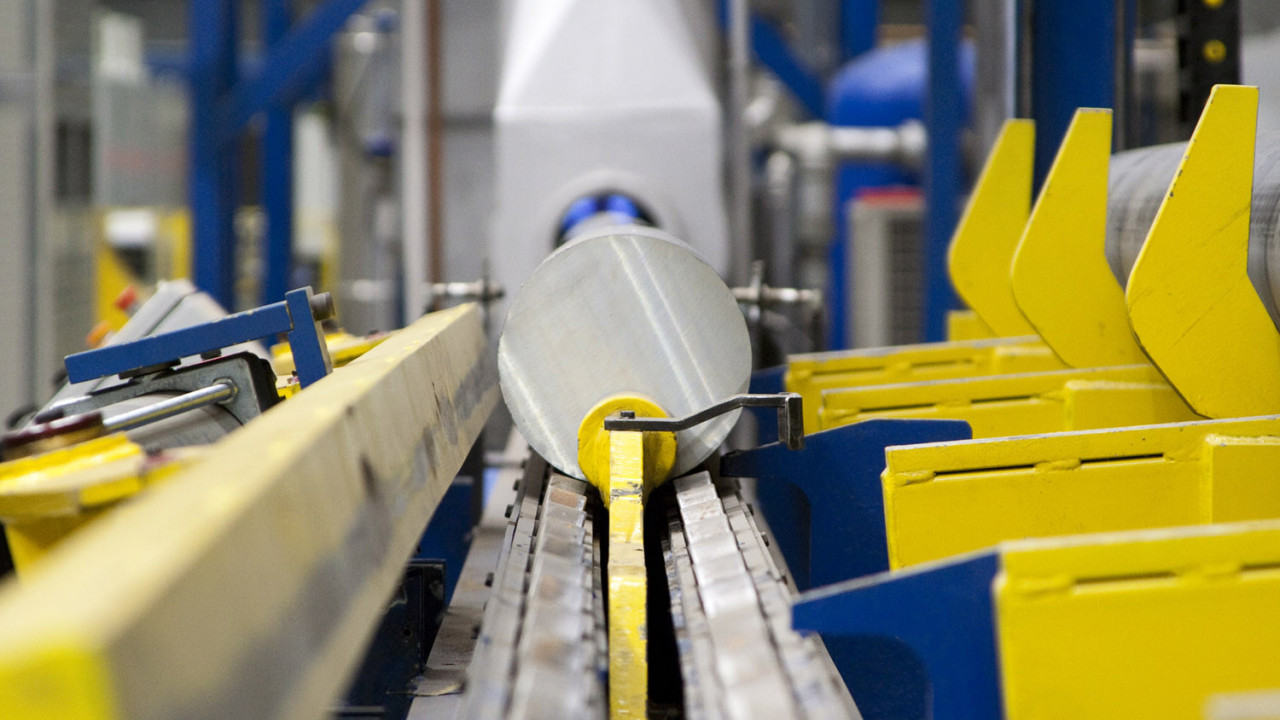
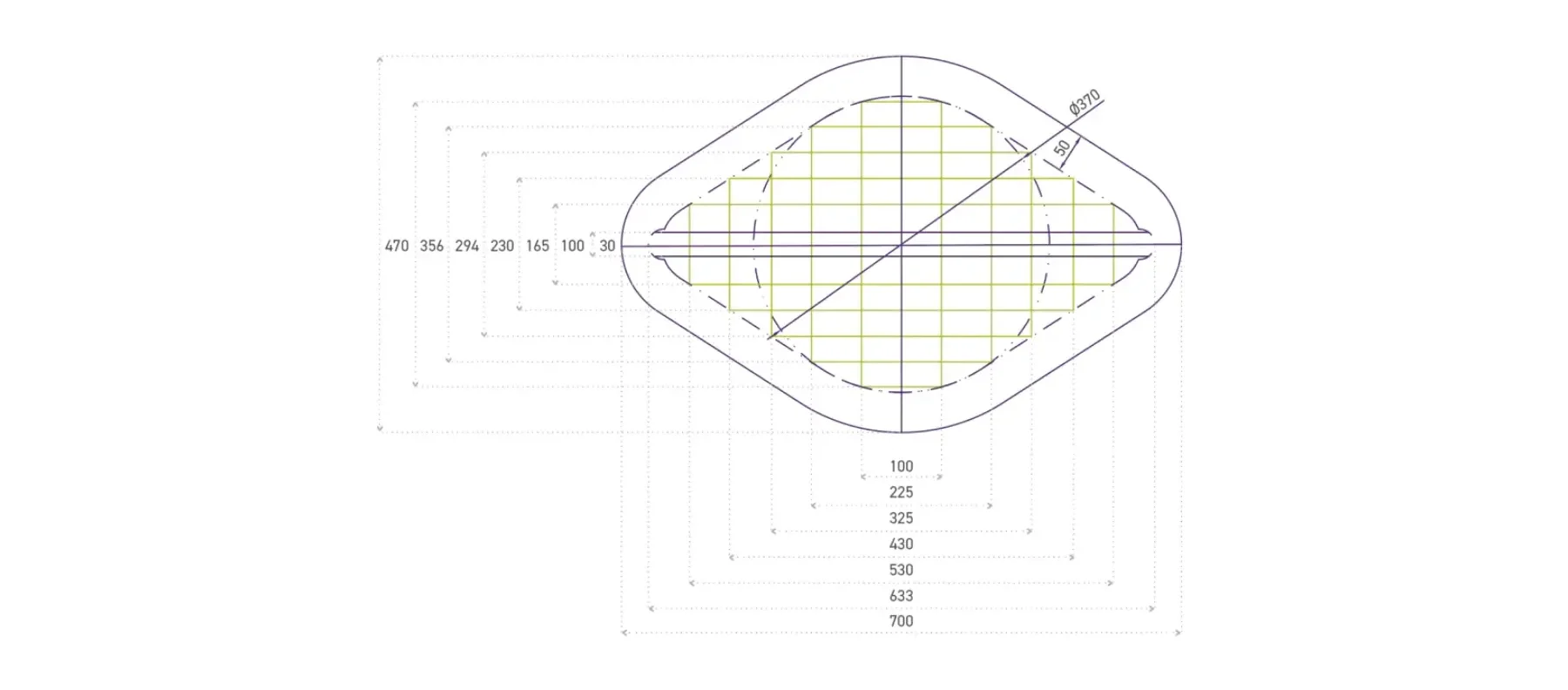
Aluminium extrusion is a manufacturing process in which heated aluminium is forced through a specially shaped die to create a long profile with a specific cross-section. A solid block of aluminium, known as a “billet”, is heated to a temperature of between approximately 400-500°C. A hydraulic press then pushes this malleable aluminium through the die opening, which has the desired shape. The result is a profile that is cooled after extrusion and can be cut to size. This process enables complex and precise shapes that are difficult to achieve with other techniques.
The advantages of aluminium extrusion include the ability to produce strong, lightweight and accurate profiles that are used in a wide range of applications, such as construction, transport and electronics. Extrusion also ensures efficient use of materials and excellent surface quality.
In summary, aluminium extrusion is a process in which aluminium is heated, softened and pressed through a shaping die to create profile shapes, which is widely used because of the precision and versatility of the products.